
Youbang · B2B Custom Silicone Manufacturing · Dongguan
Silicone Transfer Molding for Inserts and Small Parts
Youbang offers silicone transfer molding for parts where feeding rubber from a separate chamber may help fill small cavities or keep inserts in position. Share the drawing and mark the sealing or cosmetic surfaces where flash matters. We confirm tooling and part size against the drawing and project.
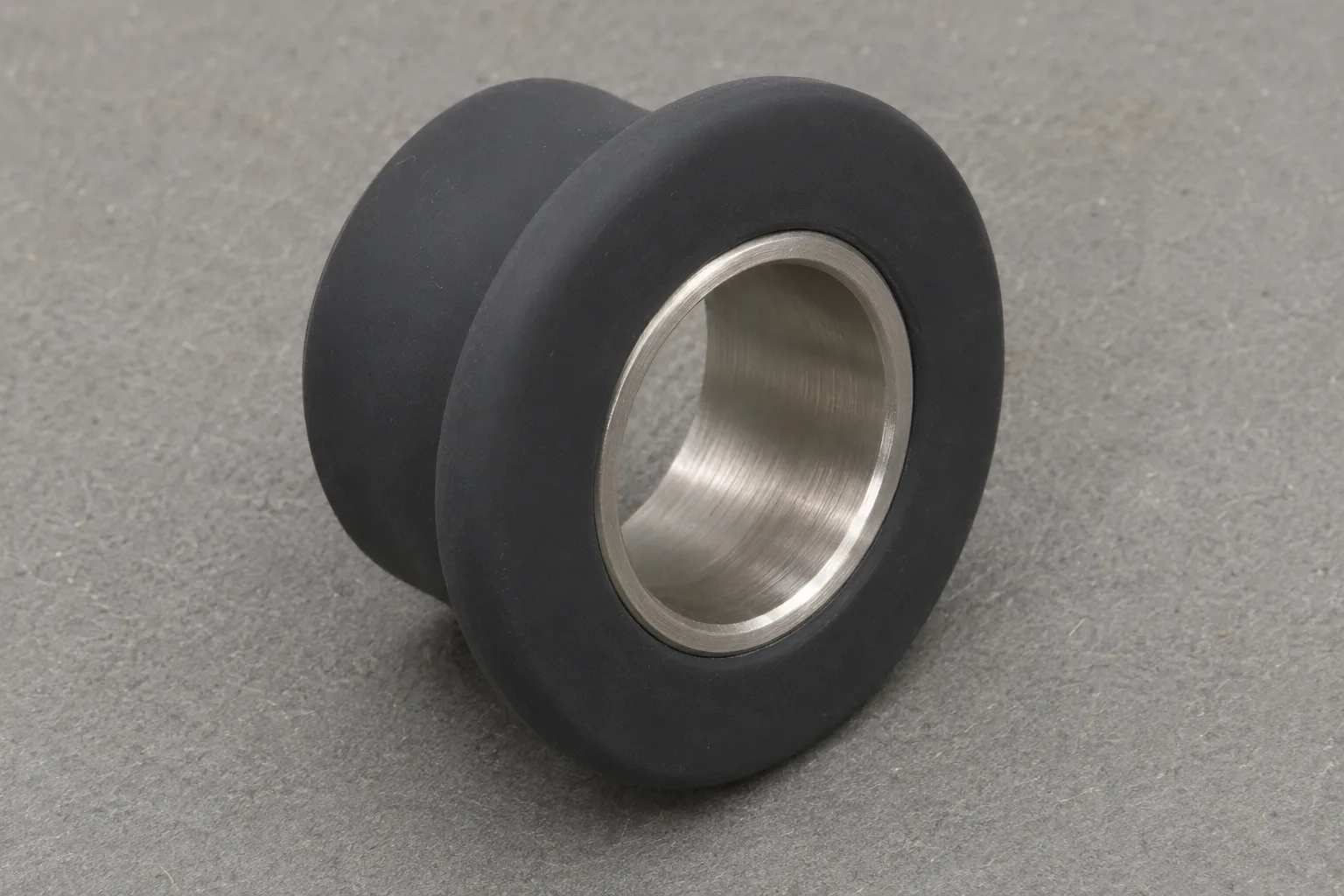
Solid silicone fed through gates
Insert location and flash limits reviewed before tooling
Runner and pot residue included in material yield
Transfer Molding, Compression and LSR Injection
| Process | When to consider it | Tooling and material trade-offs |
|---|---|---|
| Silicone transfer molding | When to consider itSolid rubber moves from a transfer pot into closed cavities. Consider it for parts with located inserts, several small cavities or tight flash limits. | Tooling and material trade-offsThe transfer pot, runners and gates add tooling complexity. Cured runner and pot residue reduce usable material yield. |
| HCR compression molding | When to consider itA charge of solid silicone cures under pressure directly in the cavity. Compare it for broad sections or simple solid shapes. | Tooling and material trade-offsDirect loading can simplify the tool. Confirm where excess rubber and the parting line will sit. |
| LSR injection molding | When to consider itMetered liquid silicone enters closed cavities under pressure. Compare it for thin details or repeat runs that justify dedicated liquid feed tooling. | Tooling and material trade-offsReview gate position, filling and venting. Runner design and cycle assumptions affect the quote. |
What to Send Before Comparing Tooling
- Part and insert drawings
- Mark insert position, how it is held during molding and which areas must stay free of silicone.
- Flash and gate limits
- Mark sealing faces, cosmetic surfaces and allowable gate positions. Attach a sample or photo if the acceptable edge is hard to describe.
- Order volumes
- Provide first order and annual forecast so the quote can compare cavity layout, loading time and material lost in the feed system.
Approve Parts Across Cavities
Agree on the inspection method and approve the sample by cavity before production.
- Check insert position and the specified retention test under actual use loads.
- Measure critical dimensions, inspect gate marks and compare flash at the sealing or cosmetic boundary.
- Review usable part yield with the proposed runner and pot waste included.
Compare the Other Molding Routes
HCR compression molding
Compare a solid silicone charge loaded directly into the tool.
HCR compression molding →LSR injection molding
Compare injection from a metered liquid feed.
LSR injection molding →Industrial seals and gaskets
Identify the faces and edges that control sealing.
Industrial seals and gaskets →Sourcing & Tooling FAQ
Key Answers Before Tooling
Covering CAD readiness, 100 pc trial & 1,000 pc / USD 2,000 standard MOQ policy, free 3D fit prototypes vs. T1 silicone samples, NDA protection, and mold ownership.
Send your drawing or sample photo directly to Youbang’s engineering desk; we send an initial response within 24 hours.
How is rubber transfer molding different from compression molding?+
Transfer molding pushes a solid rubber charge from a pot through runners and gates into a closed cavity. Compression starts with the charge placed directly in the cavity.
Does transfer molding eliminate flash?+
The closed tool can help control where flash forms. Ask for a parting-line plan and set the allowable flash at critical surfaces on the drawing and approval sample.
When should I compare transfer molding for an insert?+
Compare it when a separate feed may help retain the insert position during filling. Confirm the locating scheme and pull or fit test on the molded sample.
What can make transfer molding cost more?+
The pot, runners and gates complicate the mold, and cured residual material reduces yield. Ask the quote to account for both tooling and compound usage.
Why check transfer molded parts by cavity?+
Flow paths and insert seating can vary by cavity. Mark the sample cavity and compare critical dimensions, gate marks and flash on the same drawing.
What does the mold review need for an exposed insert face?+
Mark the face that must stay free of rubber, the insert locating surfaces and the tolerance on the exposed area. Confirm the edge on the sample before production.
B2B Factory Direct · initial response within 24 hours
Review a transfer molding drawing
Share the CAD, flash limits, insert drawing and quantities so we can compare mold layout and material yield.
Send Your Project Brief or CAD
First reply within 24 hours · Trial orders from 100 pcs