
Key Sourcing Takeaways
- Standard VMQ silicone operates continuously from -40 °C to +200 °C (+230 °C intermittent baking); heat-stabilized grades reach +250 °C+ in dry air.
- Enclosed steam (121–134 °C autoclaves) and hot oils accelerate hydrolytic softening far faster than dry oven air.
- In overmolded assemblies, customer-supplied PP, PC, or PA inserts usually set the true thermal ceiling long before the silicone degrades.
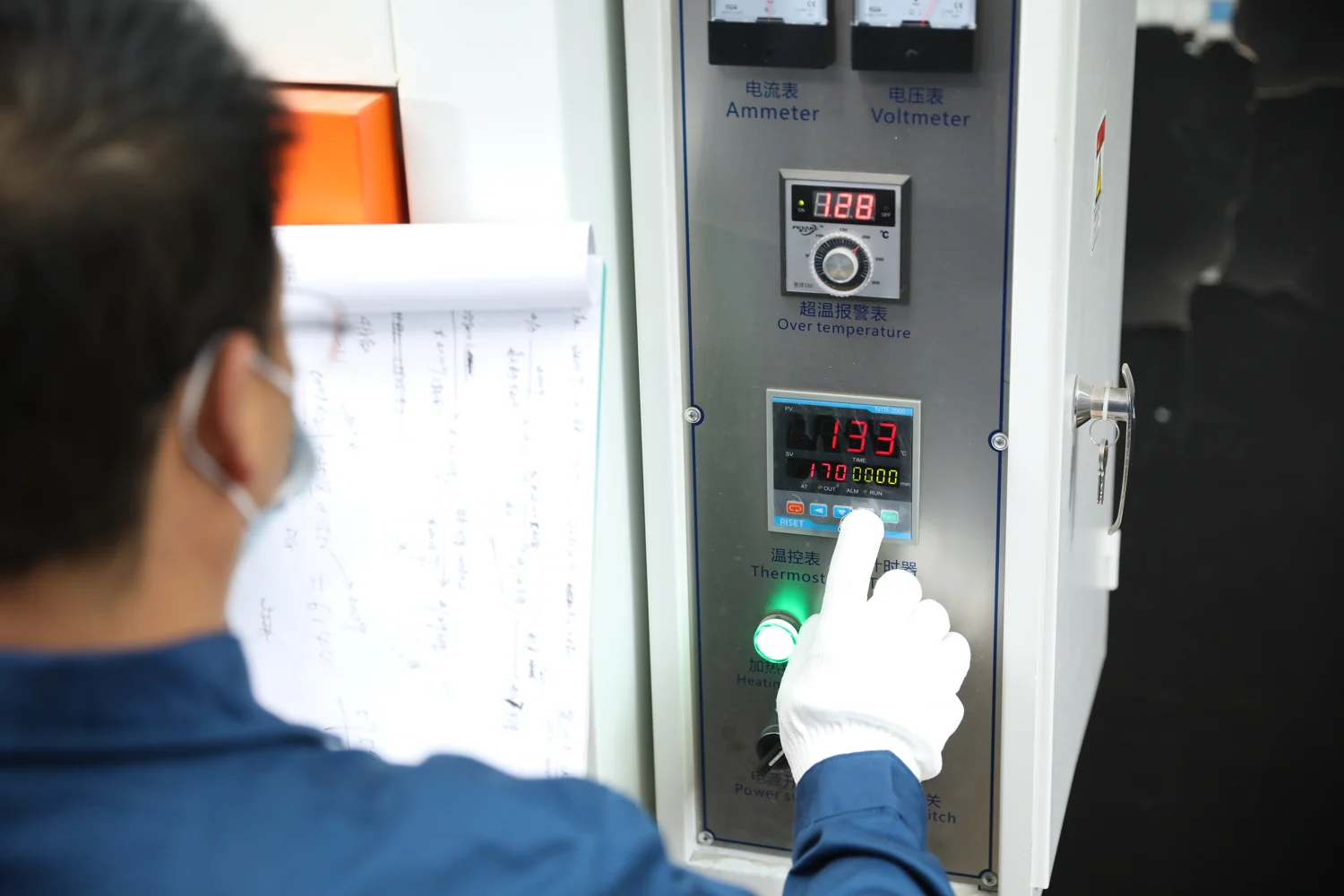
Standard polydimethylsiloxane (VMQ) silicone elastomers remain flexible and functional across -40 °C to +200 °C continuously (and up to +230 °C intermittently in domestic baking), while specialty phenyl silicones (PVMQ) extend low-temperature elasticity down to -60 °C to -90 °C and heat-stabilized grades withstand +250 °C to +270 °C in dry air. However, real-world part survival depends on four coupled variables beyond headline temperature: exposure duration, surrounding chemical medium (dry air vs. pressurized steam or hot oil), compressive load, and the heat deflection limit of any overmolded plastic insert.
When Dongguan Youbang reviews custom gaskets, kitchen bakeware, or sterilizable medical/personal-care components across our 85T/120T LSR and 200–250T HCR lines, we translate your full thermal duty cycle into a verifiable compound and post-curing proposal.
1. Silicone & Overmold Substrate Thermal Duty Reference Matrix
(Industry material engineering ranges below illustrate typical polymer behavior; exact service ratings depend on compound formulation, wall thickness, and project validation.)
| Elastomer / Assembly System | Typical Cold Limit (Brittle / Stiffening Threshold) | Continuous Dry-Air Ceiling | Short-Term Peak / Sterilization Notes | Typical B2B Applications & Constraints |
|---|---|---|---|---|
| Standard Food / Consumer VMQ (Platinum HCR or LSR) | -40 °C to -50 °C | +200 °C | +230 °C intermittent oven baking; boiling water 100 °C repeatable |
Baking molds, spatulas, baby bowls, menstrual cups (requires 200 °C × 4 h post-cure for ≤ 0.5% LFGB volatile limit) |
| Heat-Stabilized Industrial VMQ (HCR / LSR) | -40 °C | +225 °C – +250 °C | +270 °C+ brief dry-heat excursions | Oven door seals, industrial heater gaskets, high-temp lighting boots (iron-oxide/cerium heat stabilizers; restricted color palette) |
| Low-Temperature Phenyl Silicone (PVMQ) | -60 °C to -90 °C | +200 °C | Resists crystallization stiffening in ultra-cold storage | Cold-chain instrument seals, outdoor aerospace/polar electronics boots |
| Pressurized Steam / Autoclave Duty | -40 °C | 121 °C – 134 °C (cycle-rated) | Saturated steam causes siloxane back-biting hydrolysis if grade is unsuited | Reusable medical/hygiene silicone parts—specify target autoclave cycle count (e.g., 50 vs. 500 cycles) upfront |
| Silicone Overmolded onto Plastic / Metal Inserts | Governed by rigid insert brittle temp | PP: ~90–110 °CPC: ~125–135 °CGF-PA66: ~180–200 °CSS / Al / Cu: > 230 °C |
Mold vulcanization (120–170 °C) & dishwasher/oven heat limited by substrate HDT |
Customer-supplied PC, PP, PA, stainless steel, aluminum, or copper inserts bonded with primer |
(Material science reference: Shin-Etsu — Characteristic Properties of Silicone Rubber Compounds, detailing dry-air vs. sealed-environment thermal aging.)
2. Dry Air vs. Enclosed Steam & Hot Oils ("Reversion" Risk)
A datasheet rating measured in open, ventilated dry air never predicts lifespan inside a sealed steam chamber or hot oil bath:
- Sealed Hydrolytic Reversion: When standard silicone is trapped in moisture or superheated steam above
120–135 °Cwithout ventilation, trace acidic or silanol groups can cleaveSi–O–Sichains, causing the elastomer to soften or turn tacky rather than harden. - Hot Cooking Oils & Fatty Batters: Prolonged immersion in
200 °Ccooking oil swells standard silicone slightly and extracts unbaked oligomers. Selecting platinum-cured compounds from Wacker, Shin-Etsu, Momentive, Dow, Elkem, Dongjue, or Zheng'an plus ventilated secondary post-curing (typically 200 °C × 4 hours) minimizes volatile migration and odor. - Non-Silicone Elastomer Alternatives: Where continuous hydrocarbon fuel or mineral oil immersion exceeds VMQ's chemical limits, Youbang can also evaluate custom FKM (fluoroelastomer), NBR (nitrile), or EPDM molded rubber components on a project basis.
3. Static Unloaded Exposure vs. Compression Set at High Temperature
A silicone baking mat lying flat on a sheet pan at 220 °C faces almost zero mechanical stress; an industrial housing gasket squeezed 25% inside a bolted flange at 180 °C for 1,000 hours faces thermal compression set:
- If crosslinking is incomplete prior to installation, heat cures the gasket while compressed, permanently flattening its cross-section so it leaks upon cooling.
- Specify both operating squeeze percentage and recovery requirements after cooling so our engineers select low-compression-set formulations and lock secondary post-curing into the production routing.
4. Check the Whole Overmolded Assembly—Including Mold Curing Heat
When designing an overmolded utensil, industrial handle, or medical frame using customer-supplied PC, PP, PA, stainless steel, aluminum, or copper inserts:
- Manufacturing Cure Check: Your plastic insert must survive
120–170 °Csteel cavity temperatures and clamping pressure during LSR injection or HCR compression without warping. Unfilled thin-wall PP often distorts unless mold temperatures and cure chemistry are specially tuned, whereas glass-filled PA66 or stainless steel handles standard curing effortlessly. - Appliance Rating Alignment: All-silicone or nylon-core kitchenware can carry microwave-safe labeling (when verified), whereas stainless-steel-core spatulas and roll-up drying racks are strictly rated for oven/countertop/dishwasher thermal cycles—never microwaves.
5. Five Thermal Inputs to Include in Your RFQ
Replace "heat-resistant silicone" in your drawing notes with:
- Continuous temperature range and peak excursion temperature + minutes per cycle.
- Contact medium: Dry air, boiling water,
134 °Csteam autoclave, vegetable oil, detergent, or industrial fluid. - Mechanical state during heating: Free-standing, stretched, or compressed
%inside a groove. - Post-exposure pass/fail criteria: Allowed Shore A shift, dimensional recovery on our
2D opticalbench, zero odor, or primer peel retention. - Target compliance test:
FDA 21 CFR 177.2600,EU LFGB / BfR XV, orUL / flame-retardantcompound requirements.
Compare alternative polymer trade-offs next in Silicone vs. Plastic & TPE or send your thermal brief for a 24-hour review.
Pre-Tooling DFM Spec Sheet
8-Point Custom Silicone DFM Self-Check
Check these eight engineering points on your CAD or brief before cutting steel tooling.