
Key Sourcing Takeaways
- Separate four document layers: factory QMS certificates, upstream raw-gum CoAs, batch post-curing records, and finished-part lab tests.
- Verify exact certificate scopes: Youbang holds ISO 13485:2016 (62026Q00072R100) and ISO 9001:2015 (21424Q0270R1S)—brand owners hold FDA/CE product registrations.
- Finished-part testing via SGS, Intertek, or TÜV typically takes ~10 days and must match your approved Pantone color and cure route.
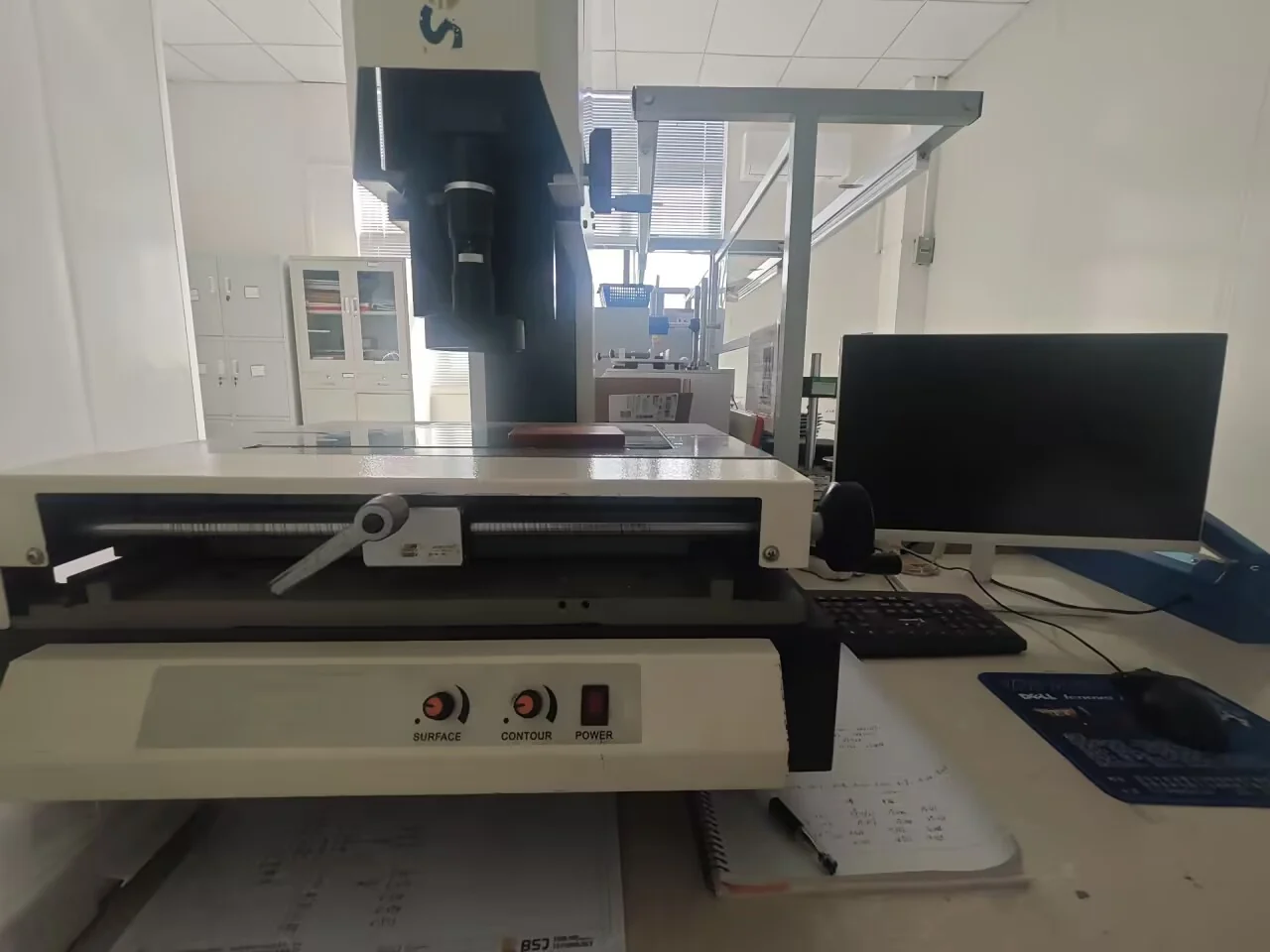
In B2B silicone sourcing, a thick folder of supplier PDFs only protects your brand if every document matches the legal entity, compound recipe, Pantone pigment, and finished geometry you actually purchase. Compliance documentation splits into four non-interchangeable layers: factory quality-management certificates (ISO 9001 / ISO 13485), upstream raw-polymer Certificates of Analysis (CoAs), in-plant batch and post-curing traceability logs, and third-party finished-article lab reports (SGS, Intertek, TÜV)—while commercial FDA establishment/510(k) or EU CE device registrations remain the responsibility of the brand owner.
Use the verification matrix below to audit incoming supplier paperwork and build a clean technical file for customs, Amazon/retail onboarding, or medical-component incoming quality control.
1. Four-Layer Silicone Compliance Document Verification Matrix
| Document Layer | What It Actually Proves | What It Does NOT Prove (Common Trap) | How Dongguan Youbang Executes & Supplies It |
|---|---|---|---|
1. Factory QMS Certificates (ISO 9001 / ISO 13485) |
Named factory site operates an audited quality management system within the printed scope | Does not certify a finished product as "FDA approved," "CE licensed," or migration-tested | Uncropped scans published: ISO 9001:2015 (21424Q0270R1S, non-food & non-medical silicone, exp. 2027-11-12) & ISO 13485:2016 (62026Q00072R100, silicone manufacturing excluding licensing-required products, exp. 2029-03-24) |
| 2. Upstream Polymer CoA & Raw-Gum Lab Reports | Base elastomer lot from the polymer producer meets stated physical specs or baseline extraction | Does not cover added pigments, primers, printing inks, or improper factory oven baking | Raw elastomers sourced from Wacker, Shin-Etsu, Momentive, Dow, Elkem, Dongjue, Zheng'an; upstream lot CoAs & declarations supplied on request (upstream SGS reports clearly labeled as raw-material applicant files) |
| 3. Factory Batch, Metrology & Post-Curing Logs | Your PO followed IQC → IPQC → FQC → OQC, dimensional checks, and oven baking |
Does not substitute for accredited third-party chemical extraction testing | Traceability linking raw-material lot → production batch → shipment number, backed by 2D optical + Shore A inspection and ventilated post-cure records (typically 200 °C × 4 h) |
| 4. Finished-Article Third-Party Lab Report | Your exact molded part, color, and finish passed named chemical/mechanical protocols | Applies only to the tested sample configuration—material or pigment changes require review | Coordinated with SGS, Intertek, or TÜV (turnaround typically ~10 days); historical testing experience across FDA 21 CFR 177.2600, LFGB, EN 71, EN 14350, CPSIA, RoHS, REACH, and ISO 10993 |
(Conformity-assessment distinction reference: ISO — Conformity Assessment: Certification, Testing & Inspection.)
2. Five Forensic Checks When Auditing Any Silicone Test Report
Before accepting an existing test report from any factory, check five fields on Page 1 and the sample photo page:
- Applicant Name vs. Molding Factory: Many Chinese factories share upstream SGS reports filed by raw-rubber compounders (e.g., Foshan or Dongguan silicone gum suppliers). Upstream reports are completely legitimate raw-material screening inputs, provided the supplier states transparently that the applicant is the upstream compounder—not claiming it is a finished-product certificate.
- Sample Photo & Color Identity: Compare the report's photographed specimen against your SKU. Clear natural silicone often passes n-hexane or volatile extraction easily while heavily pigmented red or black compounds fail if low-grade masterbatches were blended on open mills.
- Test Simulants & Temperature Conditions: Confirm that a
21 CFR 177.2600report actually ran both distilled water and refluxing n-hexane (required for fatty foods), or that anLFGB / BfR XVreport includes volatile organic matter (≤ 0.5%at200 °C × 4 h), peroxide value, and organoleptic odor/taste transfer. - Multi-Material Sub-Components: If your SKU has screen-printed logos, soft-touch coating, or primer-bonded
PC, PP, PA, or stainless steelinserts, verify that every exposed material was included in the lab test plan. - Report Date vs. Formulation Continuity: Even a 3-month-old report is invalid for your order if the factory switched base gum, pigment vendor, or post-curing cycle time.
3. Clarifying ISO 13485 vs. Commercial FDA / CE Device Registrations
Buyers developing menstrual cups, respiratory cushions, or medical-device components frequently ask whether a contract molder's ISO 13485 certificate covers market clearance:
- What Youbang Provides: Certified ISO 13485:2016 (
62026Q00072R100) quality management, raw-material lot-to-shipment traceability, ventilated post-curing, and post-cure washing, visual inspection, assembly, and sealed bagging inside our 150–200 m² clean assembly and packaging zone. - What the Brand Owner Holds: Youbang holds no US FDA establishment registration, 510(k), or EU CE medical-device product license. Commercial market registrations belong to the finished brand owner; we supply the manufacturing traceability and material documentation dossier needed to support your regulatory consultant and accredited lab submissions.
4. How to Plan Cost-Effective Lab Testing Across Multi-Color SKUs
Third-party lab fees scale quickly when launching a 6-color consumer collection. Before cutting T1 samples (typically 7–15 days):
- Share your complete Pantone color list, contact conditions, and destination markets during quotation.
- Ask SGS, Intertek, or TÜV (~10-day typical turnaround) to confirm in advance which chemical tests permit composite color grouping (e.g., heavy metals/phthalates) and which require individual worst-case extraction specimens.
- Lock the approved compound grade, pigment code, and
200 °C × 4 hpost-curing spec into your Purchase Order so mass-production batches (typically 15–30 days) match the testedT1specimen identically.
Continue with How to Evaluate a Silicone Manufacturer or inspect our certificate scans directly on Quality & Certifications.
Pre-Tooling DFM Spec Sheet
8-Point Custom Silicone DFM Self-Check
Check these eight engineering points on your CAD or brief before cutting steel tooling.