
A / BClear opening and supporting edges
Measure the opening separately from the outside sink dimensions. Both ends need usable support on a rim or ledge; rounded corners, steps, taps and nearby surfaces change where the rack can rest.
Youbang · B2B Custom Silicone Manufacturing · Dongguan
Engineer OEM roll-up dish drying racks for workstation ledges and standard kitchen basins—combining molded silicone end-link tracks or full silane-primer overmolding on customer-supplied stainless steel or aluminum rods, custom Pantone matching, and rattle-free sink grip.
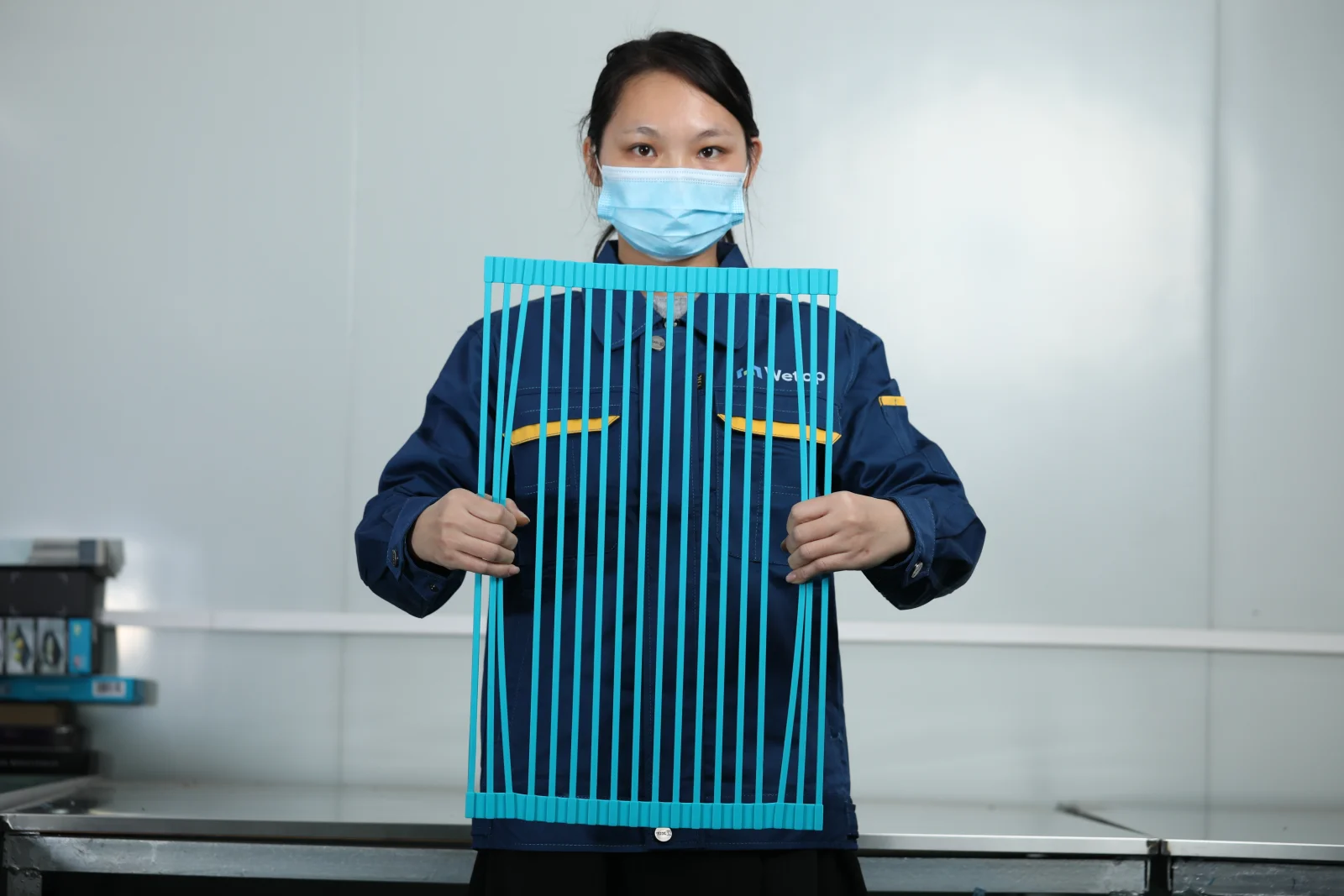
Unlike a countertop mat that traps water on a flat surface, an over-sink roll-up rack suspends cookware and dishes across the open basin—requiring accurate workstation ledge seating, non-slip silicone end pads and bar pitch tuned to your buyers’ glassware and utensils.
Measure the opening separately from the outside sink dimensions. Both ends need usable support on a rim or ledge; rounded corners, steps, taps and nearby surfaces change where the rack can rest.
A cup base, bowl rim and narrow utensil meet the bars differently. Closer spacing can add contact points but changes rinsing access and bar count. Compare spacing with the actual contents rather than choosing density alone.
Decide how much of the sink should be covered and how much washing space stays open. This sets the number of bars and connector length. The flexible connections turn between bars when stored; the rigid bars themselves remain straight.
Select between press-fitted silicone end tracks with exposed metal rods or full silicone-encapsulated bars—balancing wet-grip aesthetics, rod supply cost and mold cycle structure.
The rigid bars form the main supporting surface. End connections locate the bars and create contact with the sink support. Define the bar section, end retention, exposed edges and surface condition together.
Specify the bar material and finish for the intended wet environment, then review the end interface and cleaning access.
Covering selected contact areas can coordinate surface feel and appearance with the end connections. The design still needs enough space between adjacent bars and room for the connections to bend.
Define covering thickness, end continuity and the joining route. Bonding, grip and surface-contact behavior belong in the project sample review.
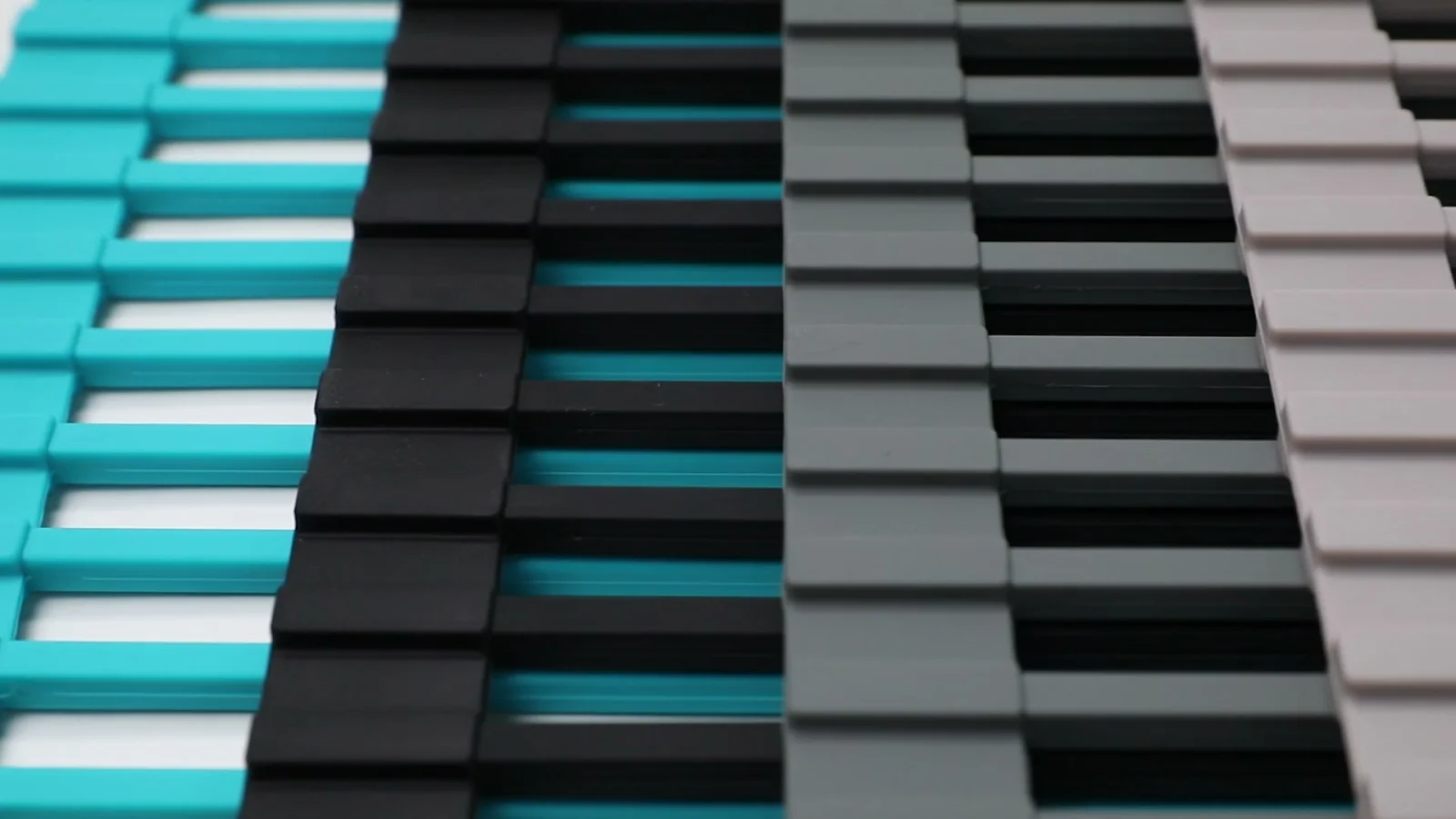
Observe the contact around bar roots, connector ends and joints. Define the edge shapes, retention method and access needed for cleaning.
Design web thickness, bar-socket fillet transitions and caddy cutouts around daily wet handling, then verify flat-unrolling and dishwasher access on T1 assembled samples.
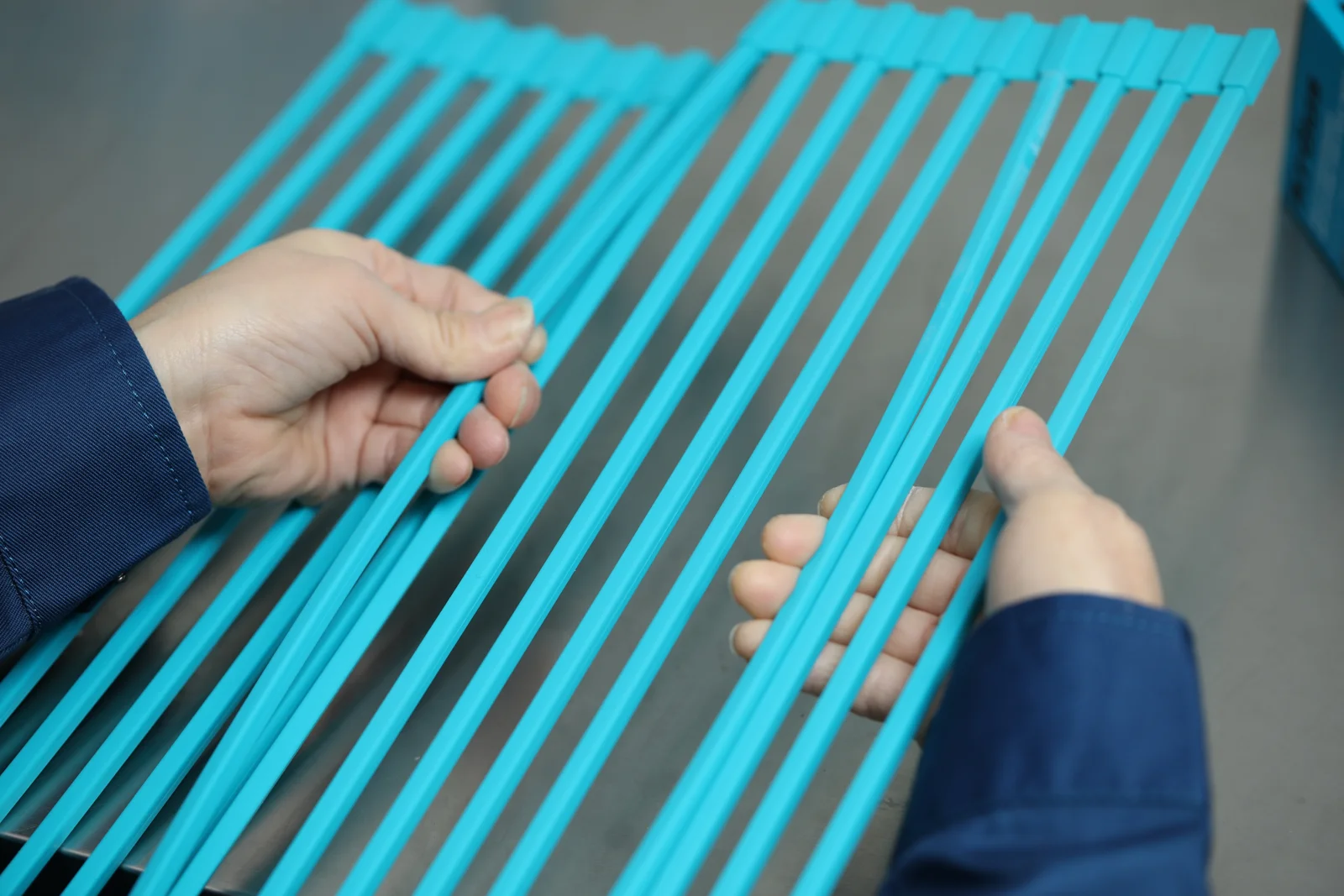
Check that the ends rest evenly and that cup or bowl bases meet the intended bars. Observe off-center placement and lifting on wet surfaces with the target contents. If a rated load is needed, define the loading and acceptance conditions separately.
Each connection segment must allow relative movement between neighboring bars. Define the storage space, any strap or hanging feature and how the rack is packed. Use silicone or assembled samples to assess rolling, recovery and contact after storage.
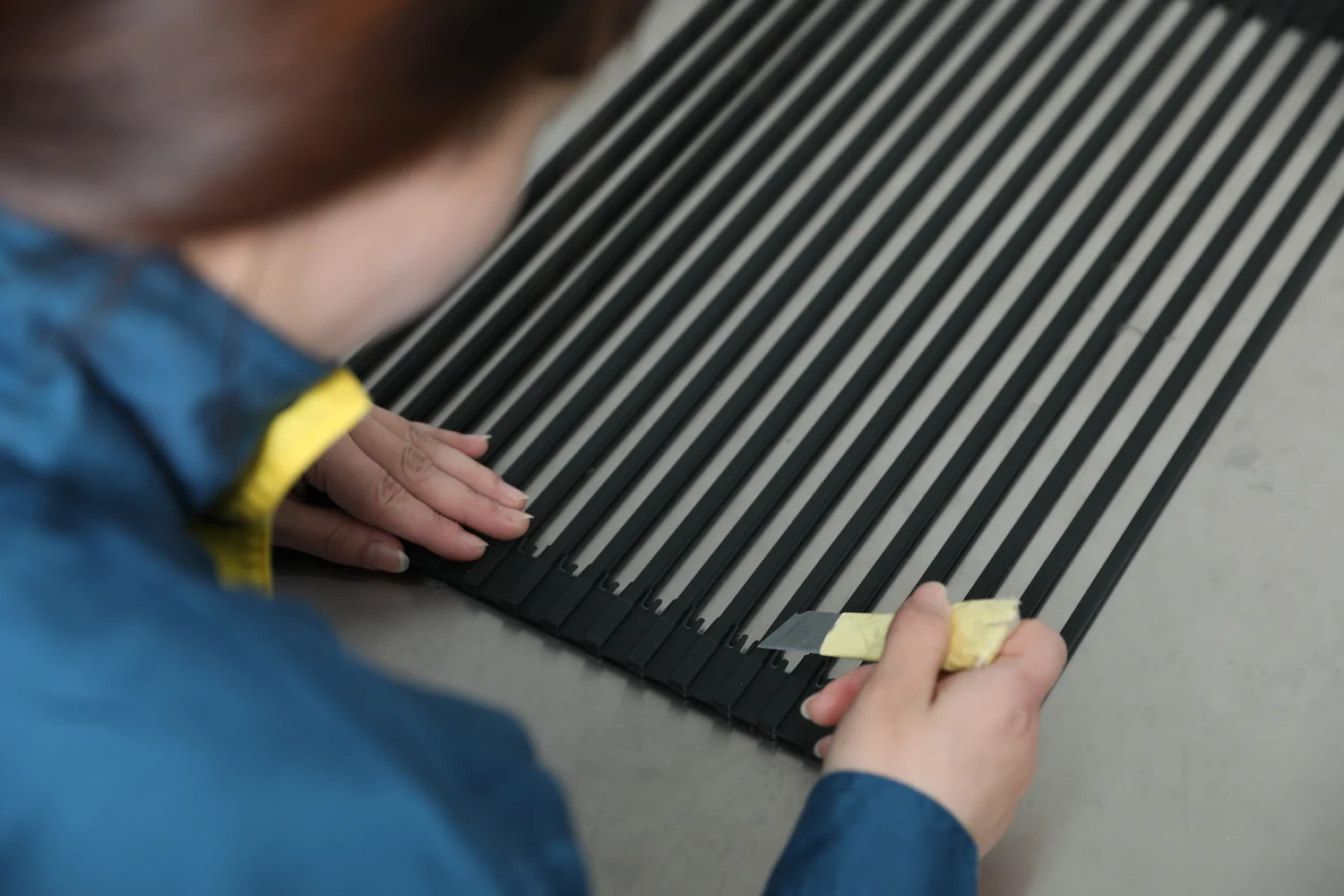
Check end edges, bar-root transitions and joints on the actual sample. Water and cleaning tools need access around bar roots, connector grooves and accessory joints. Removable parts add disassembly interfaces, so decide which parts are intended to come apart. Record the chosen cleaning method and drying routine when reviewing samples.
Align rigid rod supply, primer-bonded overmolding or mechanical socket assembly, and sample checkpoints before cutting production steel.
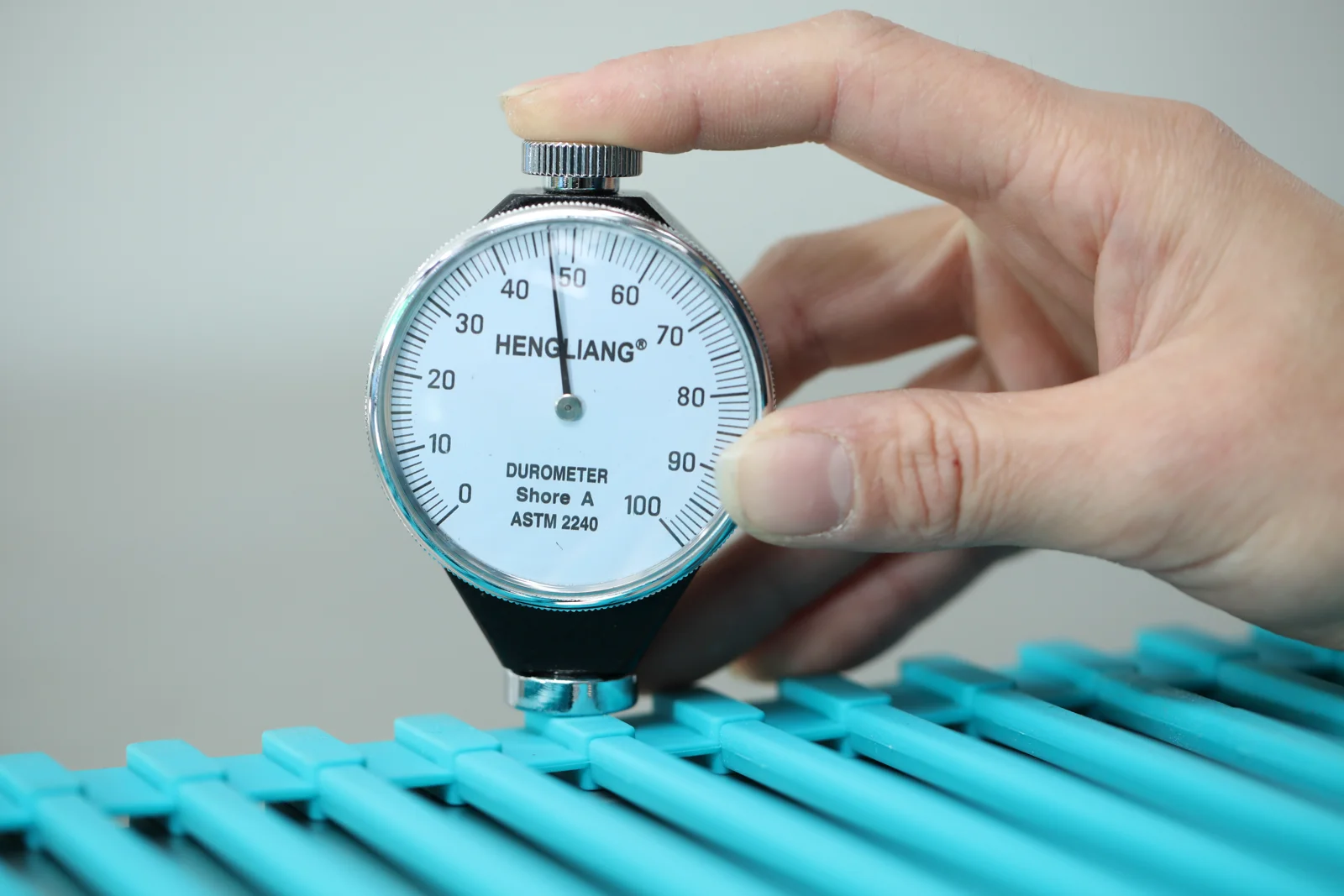
Youbang handles mold design in-house (with CNC/EDM machining coordinated externally), solid HCR compression molding, and silane-primer overmolding on customer-supplied stainless steel, aluminum, copper, PC, PP or PA inserts. Mechanically retained silicone end-socket strips are engineered as a separate press-fit option. Confirm bar tolerances, surface prep and assembly split before tooling.
Share these four details so our engineers can confirm cavity layout, insert supply workflow and T1 sample tests within 24 hours. Eligible projects can use 1–3 free 3D geometry prints (buyer pays shipping) to verify workstation ledge seating before 7–15 day T1 silicone molding.
Sourcing & Tooling FAQ
Covering CAD readiness, custom MOQ evaluation, free 3D fit checks vs. T1 silicone samples, NDA protection and mold ownership.
Send your drawing or sample photo directly to Zhou Li’s engineering desk for a 24h DFM reply.
Yes. We compound custom Pantone silicone in-house on two open mills so your rack end-tracks or full-coated bars visually match companion mats and caddies, while tuning Shore A hardness separately for anti-slip rim load bearing and flexible hinge rolling.
Send your workstation ledge drawing plus rod cross-section (round or square tube), alloy spec and sample pieces. For full or partial overmolding, customer-supplied stainless steel or aluminum rods are treated with silane primer for durable peel resistance; for socket-style end strips, we engineer interference fit around your rod tolerances.
Platinum-cured silicone handles everyday hot cookware contact far better than thermoplastic end caps, provided the underlying metal rod gauge and sink ledge overlap are sized for heavy cast-iron or stockpot loads. Share your target cookware weight and temperature exposure so we validate deflection and surface recovery on T1 samples.
B2B Factory Direct · 24h Engineering & Tooling Review
Share your workstation sink ledge dimensions, rod profile and target order volume—our team responds within 24 hours with DFM review and tooling quotes.