
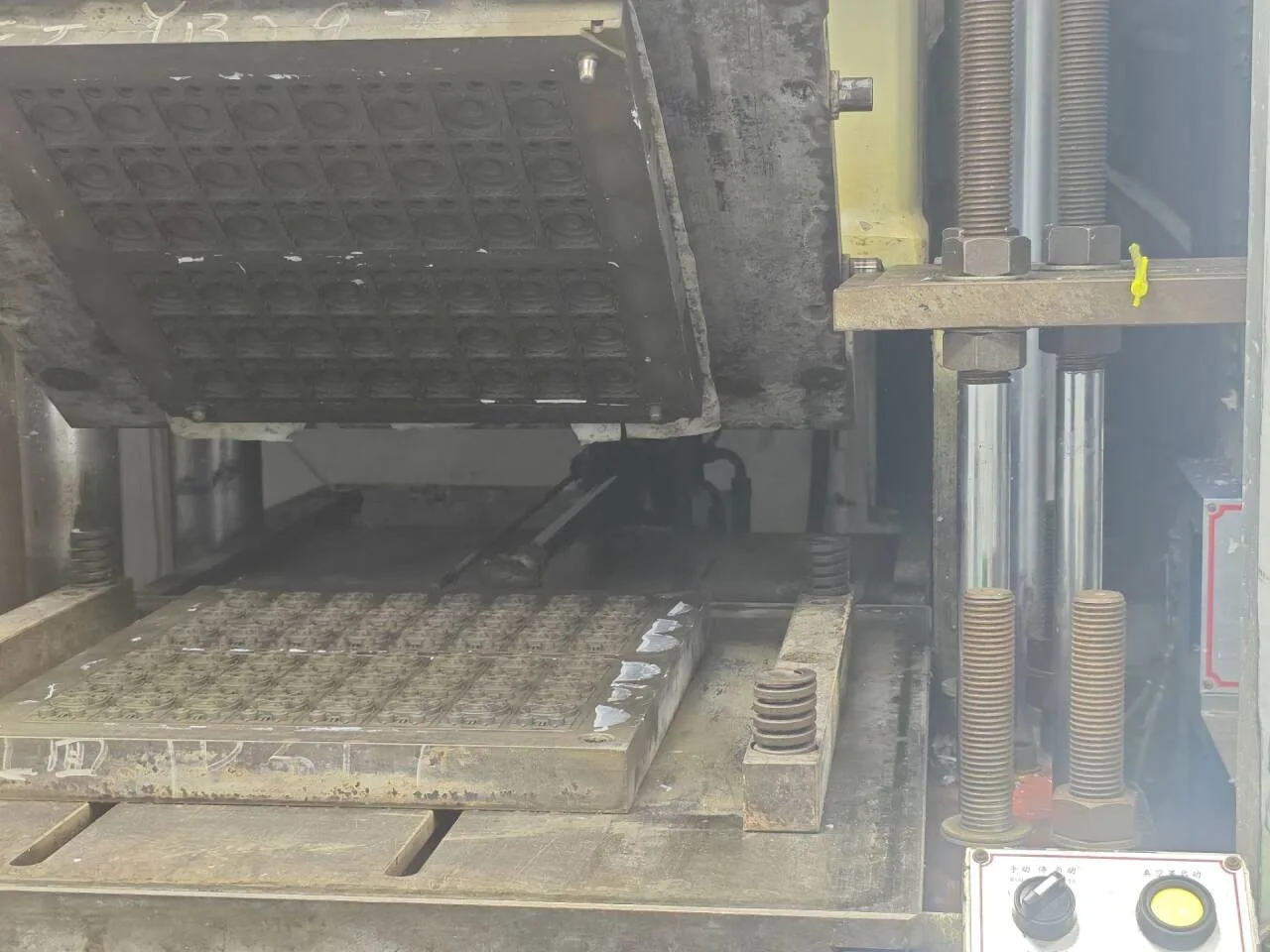
Geometry & interfaces
Review high-stretch swim caps and LSR goggle cushions, mating parts and loaded sections before fixing tool cavities.
Explore molding routesYoubang · B2B Custom Silicone Manufacturing · Dongguan
Develop high-stretch swim caps and LSR goggle cushions to your drawings. Start with mating geometry, use conditions and a molded-sample acceptance plan at our 8,000 m² Dongguan factory.
Review high-stretch swim caps and LSR goggle cushions, mating parts and loaded sections before fixing tool cavities.
Explore molding routes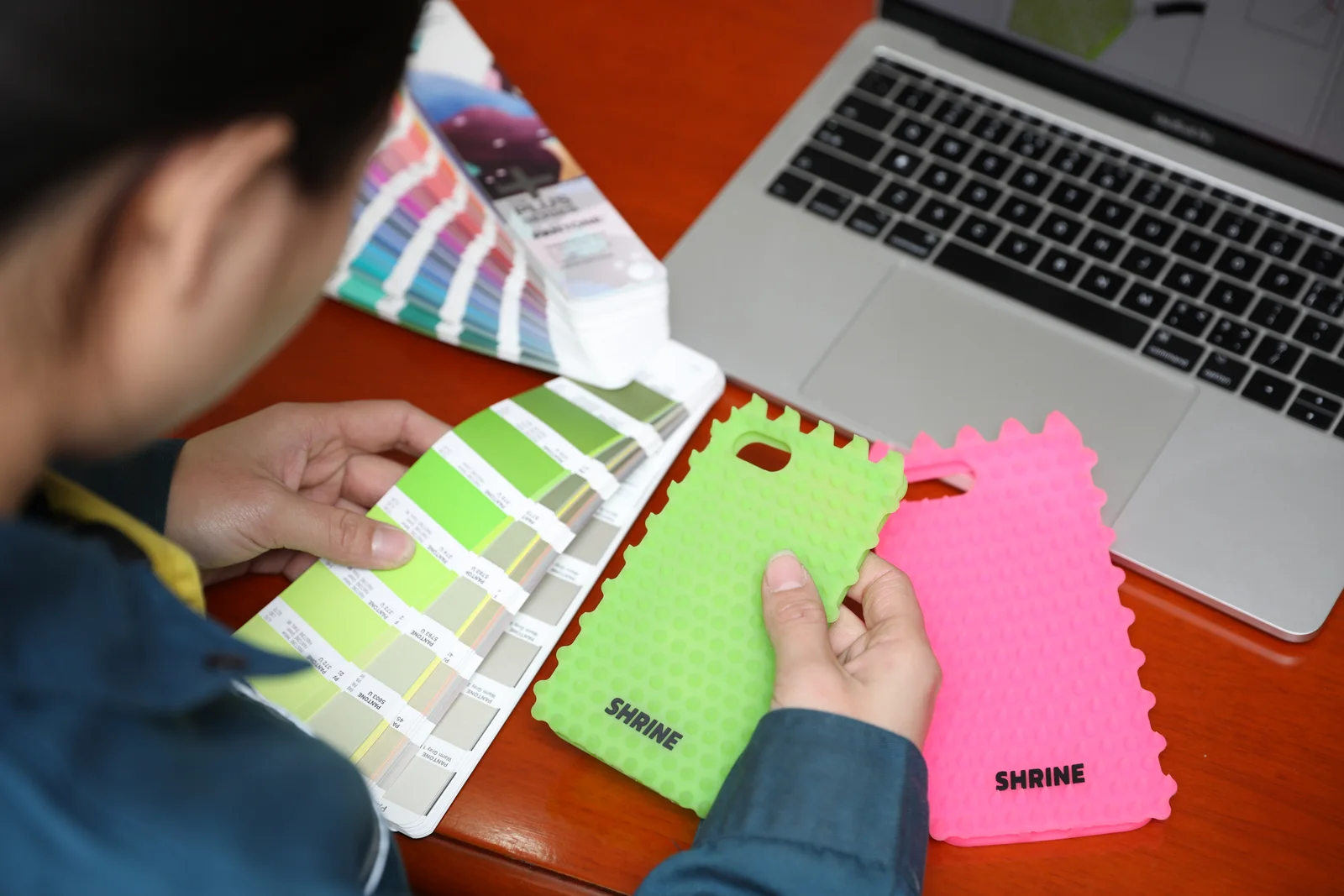
Approve molded texture, color and handling with the intended contact media and packaging.
Review finish & packagingLocation, attachment and cleaning change the interface to be reviewed.
Provide head-size range, hair volume or goggle face contour and the actual hard frame.
Agree cap donning strain, rim pressure or cushion leak criteria with the intended assembly.
Define chlorine concentration, temperature and cycle duration before testing tear, color and seal retention.
Define test scope from destination market, contact duration and cleaning conditions.
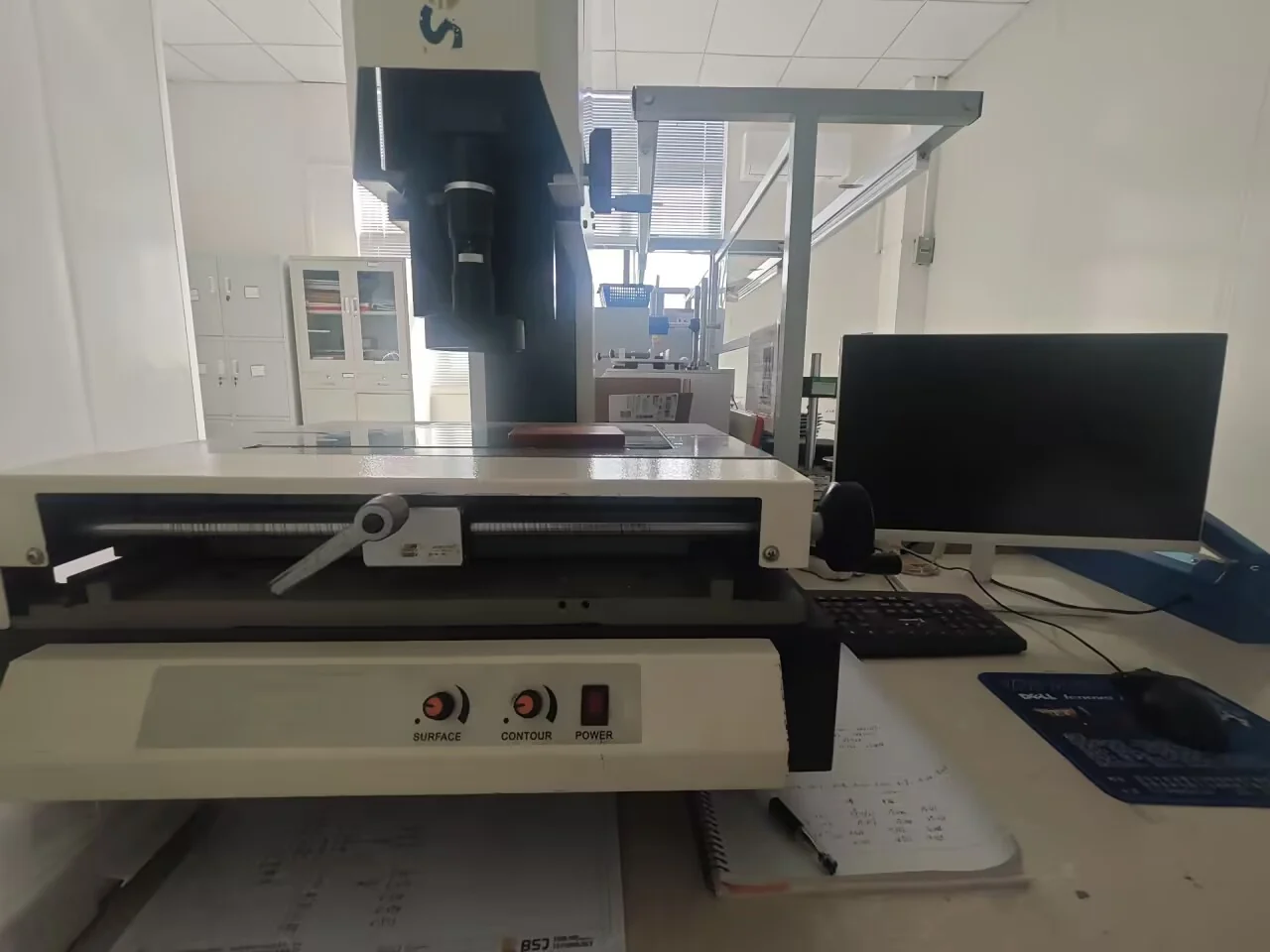
For high-stretch swim caps and LSR goggle cushions, identify critical interfaces and functional tests on the drawing. Retain the molded approval sample and record inspection conditions before repeat orders.
Sourcing & Tooling FAQ
Covering CAD readiness, 100 pc trial & 1,000 pc / $2,000 USD standard MOQ policy, free 3D fit prototypes vs. T1 silicone samples, NDA protection, and mold ownership.
Send your drawing or sample photo directly to Youbang’s engineering desk; we send an initial response within 24 hours.
Use head dimensions and intended hair volume rather than an age label alone. Evaluate rim pressure and donning strain across the size range before fixing the final tool geometry.
Approve artwork placement on the stretched cap, not only a flat drawing. Test ink adhesion after repeated extension, pool-water exposure and storage to detect cracks or transfer.
Control lip geometry, local flexibility and hard-frame registration. Check leakage and pressure points on representative fits; adjust seal contour and compound together using fit and leakage observations.
Provide frame resin and dimensional data plus actual frames for trials. Review heat stability, primer compatibility and retention before validating assembled goggles under strap tension.
Agree chlorine concentration, temperature and immersion cycles with the buyer or lab. Compare elongation, tear strength, discoloration and seal behavior after exposure using the production pigment and cure.
Define pinholes, rim tears, thin spots and logo flaws with limit samples. Inspect the cap in a repeatable stretched condition so small defects hidden in a relaxed part can be detected.
B2B Factory Direct · initial response within 24 hours
Send head-size or goggle-contour data, logo requirements and the chlorine-conditioning method for the swim-gear trial.